
From a Realtor’s View: Navigating Disclosures and Curb Appeal When Selling a Post-Storm Home
The storm has passed, but for homeowners looking to sell, a new set of challenges is just beginning. It’s a journey that can feel overwhelming, mixing emotional recovery with complex financial and legal decisions. As a realtor who has guided many families through this exact process here in Louisiana, I’ve seen firsthand the uncertainty and stress that follows a major weather event. You’re not just selling a property; you’re managing the next chapter of your life after a significant disruption.

The two biggest hurdles sellers face are the legal minefield of property disclosures and the daunting task of restoring curb appeal to attract buyers. These aren’t just items on a checklist; they are the foundation of a successful sale. My role is to be more than just an agent; it’s to be a strategic partner who provides clarity, a proven process, and expert guidance to turn a challenging situation into a successful outcome. In this guide, we’ll walk you through the critical steps of disclosure and curb appeal, providing a professional’s playbook for confidently navigating the sale of your post-storm home.
Key Takeaways
- Embrace Radical Transparency: Full, documented disclosure of all storm damage and repairs is not a liability. It’s your strongest tool for building buyer trust and protecting yourself from future legal issues.
- First Impressions are Non-Negotiable: After a storm, curb appeal sends a powerful message about the home’s overall recovery and stability. Prioritize high-impact exterior repairs and smart, budget-friendly landscaping.
- Reframe the Narrative: Work with your realtor to market your home’s resilience and upgrades, not its history of damage. A post-storm renovation can be a major selling point if positioned correctly.
- Expert Guidance is Crucial: Selling a post-storm property is a specialized transaction. Partnering with a real estate professional experienced in this niche market is essential for proper pricing, marketing, and negotiation.
The Disclosure Dilemma: A Realtor’s Guide to Transparency and Trust
In real estate, we have a saying: “Disclose, disclose, disclose.” After a storm, this mantra becomes your most critical guiding principle. I understand the temptation to downplay the damage, fearing it will scare buyers away or lower your asking price. However, the opposite is true. Disclosing storm damage isn’t a weakness in your listing; it’s your greatest strength for building trust and protecting yourself legally.
Why Full Disclosure is Your Best Strategy
The Legal Imperative: In Louisiana, sellers have a legal obligation to disclose known defects that could affect the property’s value. This is formalized in the Louisiana Residential Property Disclosure Form. A significant event like a hurricane, flood, or tornado absolutely falls under this requirement. Failing to disclose known damage can lead to a deal collapsing, or worse, a lawsuit from the buyer long after you’ve closed.
Building Buyer Confidence: In a post-storm market, every potential buyer and their inspector will be on high alert for signs of water damage, mold, and structural issues. They are actively looking for problems. When you are proactive and provide a comprehensive, honest account of the damage and the subsequent repairs, you disarm their suspicion. You shift the conversation from “What are they hiding?” to “They’ve addressed the issues and have the paperwork to prove it.” This transparency allows a buyer to make an informed, confident decision, dramatically reducing the risk of them backing out after the inspection.
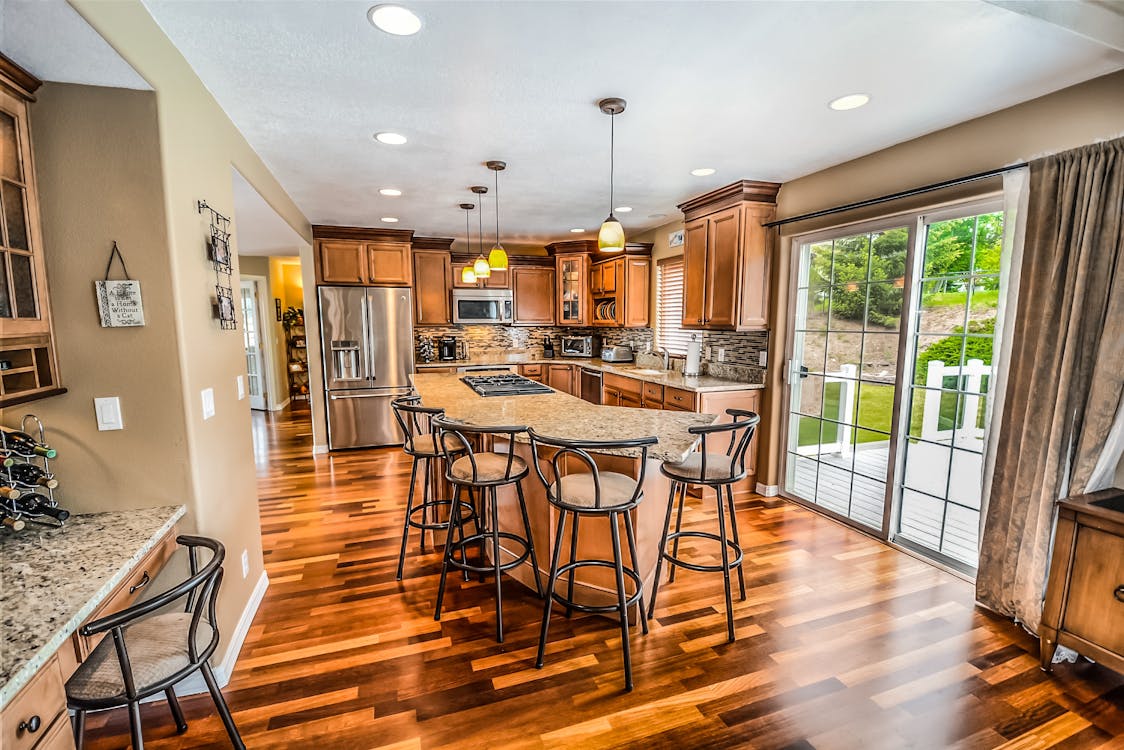
Avoiding Future Litigation: Think of your disclosure packet as your shield. A complete record of damage, remediation, and repairs is your best defense against any future claims. If a buyer discovers an issue a year down the road, your thorough documentation proves you acted in good faith and disclosed everything you knew at the time of the sale. This peace of mind is invaluable.
The Post-Storm Disclosure Checklist: What to Document and Share
To build that shield, you need to assemble a comprehensive “repair binder” for potential buyers. This organized collection of documents is a powerful marketing tool. Here’s what it should include:
- Water Intrusion Details: Be specific. Document the extent of any flooding, which rooms were affected, and the high-water mark inside and outside the home.
- A Complete Record of Repairs & Remediation: This is the heart of your disclosure.
- Contractor Information: A list of all licensed contractors, remediation specialists, and other professionals who performed work on the home.
- Invoices and Receipts: Keep every single receipt and paid-in-full invoice for materials and labor.
- Warranties: Include all transferable warranties for new installations like a new roof, HVAC system, water heater, or windows.
- Certificates: If you had professional mold remediation, the certificate of completion is non-negotiable. The same goes for any termite treatments or soil stabilization work.
- Permits: Provide copies of all permits pulled for the repair work and the final inspection approvals from your local parish or city.
- Insurance Claim Files: A summary of all insurance claims filed related to the storm is essential. This shows buyers what was covered and addressed professionally. For a deeper dive into this process, a resource like the Gulf Coast Homeowner’s Guide to Storm Insurance Claims can be incredibly helpful.
- Photographic Evidence: “Before and after” photos are incredibly powerful. They visually demonstrate the extent of the damage and, more importantly, the quality of the restoration work. Photos of open walls showing new insulation and clean studs can provide immense peace of mind to a nervous buyer.
The Curb Appeal Comeback: Creating Confidence from the Street
Your home’s exterior is the cover of its story. It’s the first thing a buyer sees online and the very first impression they get when they pull up for a showing. After a storm, your curb appeal needs to send an immediate and unequivocal message: “This home is safe, sound, and meticulously cared-for.” A neglected exterior will make buyers assume the interior has hidden problems, regardless of how beautifully it has been restored.
High-Impact Repairs for a Post-Storm Home
Before you think about flowers and paint, focus on the structural integrity and cleanliness of the exterior. Buyers will notice these “big ticket” items first.
- The “Must-Do” List:
- Roof & Gutters: A roof is a buyer’s number one concern. Have it professionally inspected. Replace any missing or damaged shingles and repair any compromised flashing. Ensure gutters are clean, free of debris, and securely attached. Bent or clogged gutters can signal drainage issues.
- Siding & Windows: A thorough power washing can make siding look brand new, removing the grime and stains left by a storm. Carefully inspect for any cracks, holes, or warping and have them repaired. Clean windows until they sparkle and check that all seals are intact to prevent drafts and future water intrusion.
- Fencing & Mailbox: A leaning fence or a crooked mailbox makes the entire property look unstable. Repair or replace any damaged fence sections and straighten or replace the mailbox. These small fixes have a huge psychological impact.
Smart, Budget-Friendly Landscaping and Staging
Once the essential repairs are done, you can amplify your home’s appeal with strategic, low-cost landscaping. This is where you can get the best return on your investment.
- Clean Up and Clear Out: This is the first and most crucial step. Remove every last bit of storm debris. Cut down dead trees and remove dead shrubs or plants. A clean, clear canvas is essential before you add anything new.
- Add Life and Color:
- Fresh Mulch: Laying a thick, fresh layer of mulch in all garden beds is perhaps the single most cost-effective way to make a property look polished and professional. It makes everything pop.
- Potted Plants: You don’t need to install a whole new garden. A few large, attractive pots with hardy, seasonal flowers near the entryway can add a vibrant splash of color and life.
- Lawn Care: A neatly mowed, edged, and fertilized lawn looks lush and healthy. If you have bare patches, reseed them a few weeks before listing.
- Focus on the Front Entry: The journey from the curb to the front door should be welcoming.
- Paint the Front Door: A fresh coat of paint on the front door in a welcoming, classic color like black, navy, or deep red is a weekend project with a massive payoff.
- Update Hardware: Install new, modern house numbers that are easy to read from the street. Update exterior light fixtures and polish the doorknob.
- A New Welcome Mat: It’s a simple detail, but a fresh, clean welcome mat is the final touch that says, “Come on in.”
The Realtor’s Strategy: Pricing and Positioning in a Post-Storm Market
With your disclosure binder assembled and your curb appeal restored, the final piece of the puzzle is strategy. The right price and marketing story are crucial. My job as your realtor is to combine the facts of the disclosure with the visual appeal of the home to create a compelling value proposition that resonates with today’s buyers.
How Disclosures and Repairs Affect Your Asking Price
The Fully Repaired Home: If you have completed comprehensive, professionally documented repairs, you can often price your home at or very near the market rate for similar, undamaged homes in your area. In this scenario, your meticulous documentation becomes a key selling point. We can market the home as having “peace of mind built-in,” with a new roof, new HVAC, and other upgrades that older homes may not have.
The “As-Is” Sale: Sometimes, making full repairs isn’t financially or logistically feasible. In this case, we need a different strategy. Selling “as-is” requires pricing the home to account for the costs a buyer will incur. This means subtracting the estimated cost of repairs, plus a buffer for unforeseen issues, from the potential after-repair value. This pricing attracts investors or DIY-savvy buyers who are looking for a project and see value in the “sweat equity” they can build. A detailed Comparative Market Analysis (CMA) from an experienced agent is critical to finding the right price that attracts these buyers without leaving your money on the table.

Marketing a Resilient Home, Not a Damaged One
The language we use in the listing description matters immensely. We are not selling a “damaged” or “flooded” house. We are selling a “professionally remediated and fully updated” home.
- Crafting the Narrative: We will work together to frame the story. Instead of focusing on what happened, we focus on the result.
- Instead of: “House flooded in the storm.”
- We say: “Following the storm, this home underwent a complete professional remediation and renovation, including all-new drywall, flooring, and electrical.”
- Highlighting the Upgrades: The storm, while devastating, may have resulted in significant upgrades. These are powerful selling points. We will prominently feature them in all marketing materials:
- “Brand-new architectural shingle roof (2023) with transferable warranty.”
- “New high-efficiency HVAC system installed (2023).”
- “Completely new kitchen with modern appliances and quartz countertops.”
These are not just repairs; they are valuable improvements that add tangible value and appeal to the property, and we will make sure every potential buyer knows about them.
Move Forward with a Plan and a Partner
Recovering from a storm is a difficult and deeply personal process. Selling your home in the aftermath adds another layer of complexity, but it doesn’t have to be a source of overwhelming stress. The path to a successful sale is paved with transparency, preparation, and strategic positioning.
By embracing full disclosure and backing it up with meticulous documentation, you build unshakable trust with buyers. By investing in smart, high-impact curb appeal, you create confidence from the moment they see your home. And by partnering with a realtor who understands the nuances of a post-storm market, you ensure your home is priced, positioned, and marketed to highlight its strength and resilience. With this clear strategy, you can successfully close one chapter and confidently begin the next.
For more resources on flood recovery and building a resilient home, we invite you to explore the information here at louisianaflooding.org. To see the full breadth of our available content, you can review our site maps for posts, pages, and categories. When you’re ready to sell, seek out a real estate professional who understands the unique challenges and opportunities of our local market.