
How Midwest Real Estate is Adapting to Climate Migration: A Columbus, IN Case Study
At louisianaflooding.org, we spend every day helping communities understand and prepare for the realities of rising waters and extreme weather. We see firsthand the immense pressure these climate threats place on families, finances, and the very future of our coastal regions. This has led us to a critical question: As some areas become less habitable, where are people going? This post explores the phenomenon of climate migration not from the perspective of leaving, but of arriving. We’ll use Columbus, Indiana, as a case study to understand how the American Midwest—and its real estate market—is quietly adapting to become a potential destination for a new generation of American movers.

Key Takeaways
- Climate Havens: The Midwest is gaining attention as a “climate haven” due to its relative safety from wildfires, hurricanes, and sea-level rise, coupled with access to fresh water.
- Real Estate Impact: Cities like Columbus, IN, are experiencing tangible shifts in their real estate markets, including rising demand, price appreciation, and new development pressures, partly driven by inbound migration.
- Adaptation is Key: Adaptation isn’t just for coastal cities. Receiving cities like Columbus must upgrade infrastructure, manage housing affordability, and plan for population growth to successfully integrate new residents.
- No Place is Risk-Free: Even climate havens face their own climate challenges, such as increased flooding from extreme rainfall and grid stress, requiring careful evaluation by potential movers.
TL;DR
Climate change is pushing Americans from high-risk coastal areas toward safer inland regions like the Midwest. A case study of Columbus, Indiana, reveals its real estate market is adapting to this influx through new development and planning, but also faces challenges like housing affordability and infrastructure strain. For those considering a move, it’s crucial to understand that no location is entirely risk-free, and a thorough assessment of a new area’s specific climate vulnerabilities is essential.
The Midwest is emerging as a potential “climate haven” for Americans displaced by coastal threats.
The increasing frequency and intensity of climate-related disasters are reshaping American demographics, creating a slow-motion but steady movement of people from high-risk coastal and arid regions to areas perceived as safer. The Midwest, particularly the Great Lakes region, is increasingly central to this conversation, viewed by many as a refuge from the most severe climate impacts.
What we mean by “Climate Migration”
Climate Migration: The movement of individuals or populations, either within their own country or across borders, predominantly for reasons of sudden or progressive change in the environment due to climate change. These stressors include sea-level rise, extreme weather events like hurricanes, prolonged drought, and destructive wildfires.
This is not a theoretical problem for a distant future. According to one study, over 3.2 million Americans were displaced by natural disasters in 2022 alone, with hurricanes, floods, and fires being primary drivers. This trend illustrates a clear “push” from vulnerable states. As an organization rooted in Louisiana, louisianaflooding.org witnesses this push factor daily. The corresponding “pull” is toward inland states that offer a reprieve from these specific threats.
Why the Great Lakes region is gaining attention
The appeal of the Midwest, and the Great Lakes region specifically, is rooted in a few key environmental factors:
- Abundant Fresh Water: The Great Lakes contain about 21% of the world’s surface fresh water, a staggering resource that stands in stark contrast to the water scarcity and drought plaguing the American West.
- Lower Relative Risk: While no region is immune to climate change, the Midwest is insulated from the direct impacts of hurricanes, sea-level rise, and the large-scale wildfires common in western states.
- Existing Infrastructure: Many Midwestern cities were built for larger populations than they currently have, meaning that in some cases, foundational infrastructure like road networks and utility grids can accommodate growth.
- Historical Affordability: The region has long been known for a lower cost of living and more accessible housing market compared to coastal hubs, though this is beginning to change.
A perspective from the front lines of climate risk
From our vantage point in the Gulf South, the reasons for considering such a move are painfully clear. Residents in coastal Louisiana face a cascade of challenges that go far beyond the immediate danger of a storm. Skyrocketing home and flood insurance premiums are making homeownership untenable for many. Repetitive flood loss drains family savings and emotional reserves. Entire communities, tied together by generations of history and culture, are facing the prospect of displacement. This lived reality is the powerful force pushing people to look for stability and safety elsewhere.
The Columbus, Indiana real estate market provides a tangible example of how a Midwest city is absorbing new demand.
To understand how this national trend plays out on a local level, we turn to Columbus, Indiana. This small city offers a compelling microcosm of the opportunities and pressures that climate-related in-migration can bring to a Midwestern community and its housing market.
Why Columbus, IN? A unique Midwestern microcosm
Columbus is not a typical Midwestern town. It is globally recognized for its stunning collection of modernist architecture, earning it the nickname “Athens of the Prairie.” This commitment to design and thoughtful urban planning, championed for decades by local leaders and corporations like Cummins Inc., has created a uniquely attractive environment. Combined with a strong manufacturing and technology employment base, Columbus has long been a destination for professionals. These pre-existing “pull” factors make it an especially interesting case study, as its appeal is amplified by its favorable climate profile.
Observable trends in the local housing market
The numbers reflect a market under growing pressure. While national trends play a role, the influx of new residents is a significant local driver.
- Rising Home Values: The median home sale price in Columbus has seen significant appreciation over the past several years, outpacing historical averages. According to data from the MIBOR REALTOR® Association, which covers the region, prices have consistently climbed as demand has intensified.
- Low Inventory: Like many desirable locations, Columbus has experienced tight housing inventory. Homes that are priced correctly often sell quickly, sometimes with multiple offers, indicating a competitive market where demand outstrips supply.
- New Construction: In response, the city and surrounding Bartholomew County have seen a rise in new construction. This includes not just single-family homes in new subdivisions but also multi-family apartment complexes and mixed-use developments aimed at increasing housing density and options.
Voices from the ground: What local experts are seeing
To get a clearer picture, consider the perspective of those working within the market. A local agent from a firm like 1 Percent Lists Indiana, which disrupts the traditional real estate commission structure, might note a distinct increase in inquiries from out-of-state buyers, particularly from California, Florida, and Texas. These buyers often cite climate concerns, the search for a lower cost of living, and the desire for a different quality of life as their primary motivators. A city planner might add that they are fielding more development proposals than ever before, forcing them to re-evaluate zoning and long-term growth strategies to accommodate the new demand without sacrificing the city’s unique character.
Local infrastructure and community planning in Columbus are adapting to support a growing population.
An influx of new residents impacts more than just the housing market; it tests a city’s entire ecosystem. Columbus is actively grappling with the need to scale its services and infrastructure to support a larger population while preserving the qualities that make it attractive in the first place.
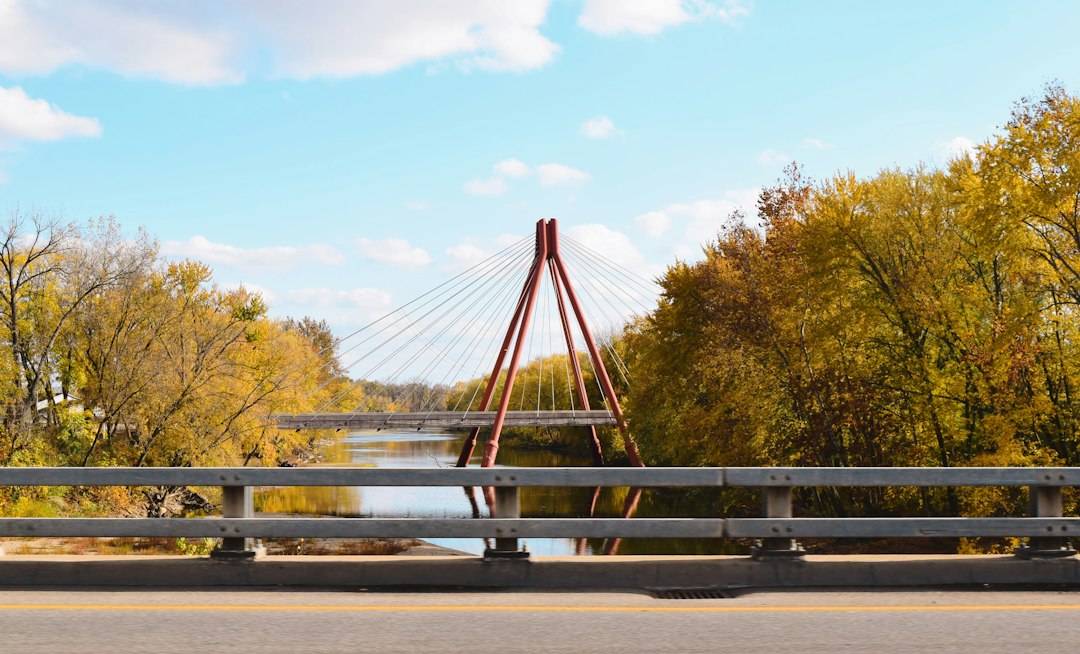
Investing in the future: Upgrades to public services
Population growth requires proactive investment. Cities like Columbus must assess the capacity of their essential systems. This includes planning for upgrades to water treatment facilities and sewer systems to handle increased load. It also means evaluating the need for expanded public transit, new schools or classroom additions, and bolstered emergency services. These are not glamorous projects, but they are the bedrock of a resilient and functional community. Successfully managing growth means planning for these capital-intensive projects years in advance.
The challenge of maintaining affordability and character
Growth often brings the risk of gentrification and displacement. As housing demand rises, so do prices and rents, which can strain the budgets of long-time residents. Columbus faces the delicate balancing act of encouraging new, often denser, development while protecting its world-renowned architectural heritage and maintaining a sense of community.
To address this, city leaders are exploring zoning changes that could allow for more diverse housing types, such as accessory dwelling units (ADUs) and “missing middle” housing like duplexes and townhomes. The goal is to increase the overall housing supply, which is the most effective long-term strategy for moderating prices. In this environment, new real estate models become more relevant; while new pressures arise, models that offer significant equity savings, like the one pioneered in the area by 1 Percent Lists Indiana, are becoming part of the conversation on housing affordability.
Climate migration presents both significant opportunities and new challenges for Midwest communities.
Becoming a “receiving city” in the era of climate migration is a double-edged sword. The influx of people can be a powerful engine for economic growth, but it also brings new vulnerabilities and social complexities that communities must navigate carefully.
The economic upside: A growing tax base and new talent
For many legacy cities in the Midwest, a growing population is a welcome change after decades of stagnation or decline. New residents expand the local tax base, providing more revenue for public services and infrastructure. They bring diverse skills and experiences, enriching the local talent pool for employers. Newcomers start businesses, support local shops and restaurants, and contribute to a more vibrant and dynamic local economy. This revitalization can create a positive feedback loop, attracting even more investment and talent.
The hidden climate risks of the Midwest
This is a critical point that we at louisianaflooding.org cannot overstate: “safer” does not mean “safe.” The Midwest has its own distinct and intensifying climate risks.
- Extreme Rainfall and Flooding: While not threatened by coastal storm surge, the region is experiencing a dramatic increase in intense, short-duration rainfall events. The Fourth National Climate Assessment highlights that the Midwest has seen a significant uptick in precipitation, leading to more frequent urban and riverine flooding. Aging stormwater systems, designed for a 20th-century climate, are often overwhelmed, resulting in basement backups and flash floods.
- Grid Stress: Summers are getting hotter. More frequent and intense heatwaves put immense strain on the electrical grid as demand for air conditioning soars. This increases the risk of brownouts or blackouts, which can have serious consequences, especially for vulnerable populations.
The social fabric: Integrating new populations
The arrival of new residents from different geographic, cultural, and political backgrounds can also create social friction. Communities must be intentional about fostering a welcoming environment and ensuring that both longtime residents and new arrivals feel a sense of belonging. This involves open dialogue, inclusive community planning, and creating shared spaces and experiences that build social cohesion.
For those considering a move, understanding a new region’s climate resilience is as important as escaping an old one’s risks.
The lessons from Columbus and the broader Midwest offer a clear directive for anyone contemplating a climate-driven move. Your work isn’t done once you’ve identified a place safe from your current threats; you must then begin a new process of due diligence to understand the specific risks of your potential new home. This is the core of the work louisianaflooding.org does: empowering people with the knowledge to assess risk, no matter where they live. You can explore our extensive collection of resources and articles by browsing our archives.
How to perform your own “climate due diligence”
Don’t rely on broad labels like “climate haven.” Dig deeper and investigate the specific location you’re considering.
- Check the Maps: Start with official sources. Review FEMA’s Flood Insurance Rate Maps for your prospective neighborhood to understand federally designated flood risk.
- Read the Plans: Look for a city- or county-level climate action plan, hazard mitigation plan, or resilience strategy. These documents show whether local leadership is aware of and planning for future risks.
- Follow the Money: Look at recent and proposed infrastructure bond issues. Is the community investing in upgrading its stormwater system, water treatment plants, and electrical grid? This is a tangible indicator of preparedness.
A checklist for the potential climate migrant
- Risk Assessment: What are the specific climate risks of this new location (e.g., river flooding, flash floods, tornadoes, extreme heat)? How has the area fared in recent extreme weather events?
- Job Market: Does the local economy offer stable, diverse employment opportunities that align with your skills?
- Housing: What is the true cost of housing, including property taxes and insurance? When assessing the market, consider how innovative, low overhead real estate services from companies like 1 Percent Lists Indiana might impact market dynamics and your potential savings.
- Community: Does the community have the resources—like well-funded schools, healthcare facilities, and public services—to handle growth effectively?
Our role in empowering you with knowledge
At louisianaflooding.org, our mission is to provide clear, actionable education on risk assessment. The principles we teach for understanding flood risk in Louisiana are universal. Learning how to read a flood map, how to evaluate a property’s drainage, and how to advocate for more resilient community infrastructure are skills that are valuable everywhere. Understanding the different categories of risk is the first step toward building a safer future.
Columbus, IN is a Window into America’s Climate Future
Columbus, Indiana, demonstrates that climate migration is a complex reality with profound impacts on real estate, infrastructure, and community life in America’s heartland. The city’s experience offers a valuable lesson: adaptation is a national challenge, required not only in the places people are leaving but also in the communities that are welcoming them. True resilience isn’t just about finding a safer place to live; it’s about building smarter, more prepared communities everywhere. The quiet shifts happening in towns like Columbus are a preview of a larger American story, one that will continue to unfold for decades to come.